

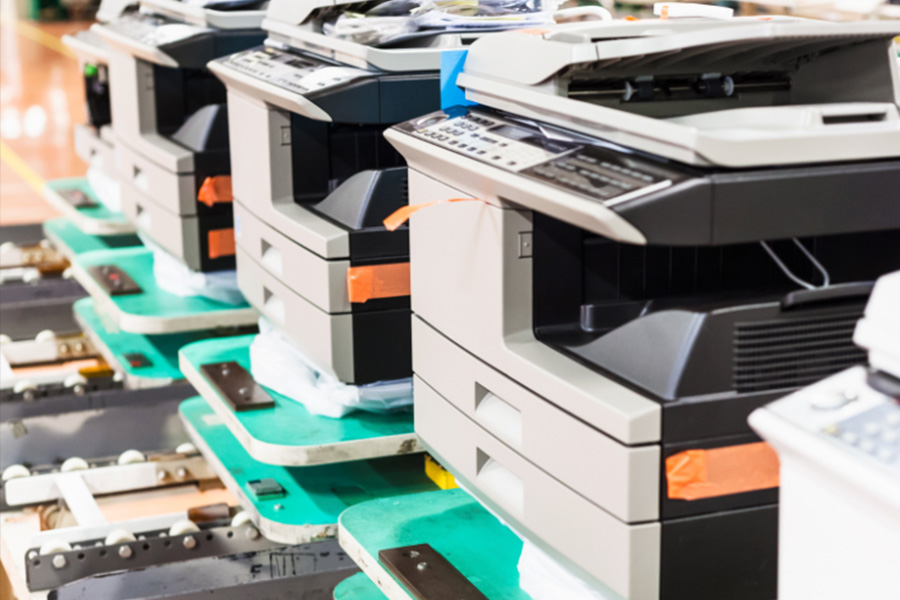

For growing organizations, securing high-performing office equipment is a vital operational milestone. From scanning high-volume client invoices to printing critical marketing collateral, a reliable multifunction printer (MFP) serves as a central hub for daily workflows. However, purchasing enterprise-grade commercial equipment outright can strain cash flow and tie up valuable capital.
Leasing offers an attractive, highly flexible alternative, allowing companies to access cutting-edge hardware with predictable, manageable monthly payments. Yet signing a commercial equipment lease is a long-term commitment that affects both daily productivity and the business’s bottom line. Not all providers structure their agreements the same way, and choosing a partner solely based on the lowest initial quote can lead to hidden costs, rigid upgrade rules, and sluggish repair service.
To protect business budgets and ensure the office runs smoothly, you’ll need to look past basic hardware specifications and evaluate the partnership behind the machine. If you are exploring options for copiers for small business, asking these essential questions before signing a leasing agreement will help you secure a transparent, highly supportive partnership.
What Exactly is Included in the Monthly Lease and Service Maintenance Agreement?
A copier lease generally has two financial components: the base equipment lease payment and the ongoing service maintenance agreement. Do not assume these two elements are bundled automatically into a single price. Ask for a clear breakdown of what the monthly payment covers. Does the service agreement include all toner, developers, drums, and spare parts? Are emergency service calls and labor costs fully covered, or do certain technical issues trigger surprise fees? Clarifying these boundaries upfront prevents unexpected baseline expenses from inflating the operational budget.
How Are Print Volumes Calculated, and What Are the Overage Rates?
Most leasing agreements come with a built-in monthly print allowance (e.g., 5,000 black-and-white pages and 1,000 color pages). If your business underutilizes this allotment, do the unused pages roll over into the next billing cycle, or do you lose them? More importantly, what happens if your business experiences a busy month and exceeds the allowance? High overage fees can quietly turn a seemingly affordable lease into an expensive liability. Ensure you understand the exact per-page cost for overages, and confirm that the provider allows you to adjust your baseline tier as your company scales.
What is Your Guaranteed Service Response Time, and How is it Measured?
A broken copier can bring an entire administrative department to a screeching halt. When a machine goes down, a business cannot afford to wait several days for a technician to arrive. Ask potential leasing partners about their guaranteed service response times. Is their average response time backed by a formal Service Level Agreement (SLA)? Additionally, ask how their support team is structured; do they deploy local, certified technicians who carry common parts in their vehicles, or do they rely on third-party contractors who may lack immediate access to your specific hardware brand?
Can We Easily Upgrade or Downgrade Our Fleet Mid-Lease?
Business needs change quickly. A machine that perfectly fits your volume requirements today might become an operational bottleneck in two years if the company doubles its headcount. Conversely, if your workflows transition heavily to digital document management, you may want to scale back to a more compact system. Ask the leasing vendor about their mid-lease flexibility. Will they allow you to upgrade your equipment during the contract window without forcing you to pay severe termination penalties, or are you locked into a rigid framework until the final day?
What Happens to Our Data and Hard Drives at the End of the Lease?
Modern commercial copiers are essentially sophisticated computers with internal hard drives that store digital copies of every document scanned, printed, or emailed through the device. This creates a massive data security liability when the lease expires and the machine is returned. A trustworthy leasing partner should provide a clear protocol for data security. Ask if they offer certified data erasure services at the end of the lease to securely overwrite the hard drive, protecting any sensitive client information and keeping the business compliant with data privacy regulations.
Are There Automatic Renewal Clauses or Hidden Fees in the Contract?
The fine print of a commercial equipment lease often contains strict guidelines regarding the end of the contract term. Many agreements include automatic renewal clauses stating that if you fail to provide written notice of your intent to return the equipment within a strict window (often 60 to 90 days before expiration), the lease automatically extends for another full year. Furthermore, look out for unexpected administrative fees, delivery charges, or hardware setup costs that were not clearly highlighted in the initial sales pitch.
Who Actually Owns the Lease, Your Firm or a Third-Party Bank?
Many equipment dealers act as intermediaries: they sell you the machine and arrange the service, but they immediately sell the financing contract to a third-party bank or national financing company. This arrangement can complicate the administrative experience. If you need to negotiate a contract change, adjust your billing date, or process a mid-lease upgrade, you may find yourself caught in a frustrating game of phone tag between the local service provider and a rigid, corporate banking institution. Partnering with a provider that handles its own financing internally often yields a smoother, more flexible relationship.
Leasing an office copier is far more than a simple hardware transaction; it is an ongoing operational infrastructure partnership. By asking these targeted questions during the vetting phase, you can look past aggressive sales pitches and identify a transparent, reliable leasing partner who will keep your office productive, secure, and clear of hidden financial surprises.
